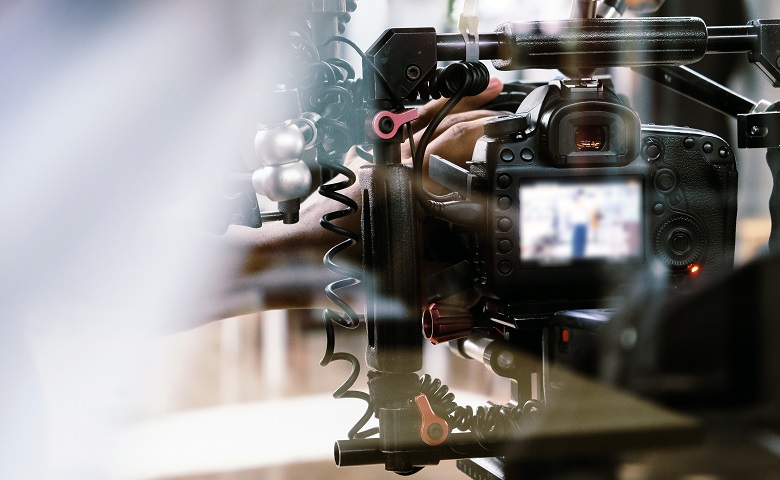
The COVID-19 pandemic has decimated countless sectors – from hospitality and leisure to theatre and live music. It’s even managed to have a major impact on industries that were thought to be nearly bulletproof – the film and TV industries.
But how has this most heinous of hurdles managed to impact the sector directly and what are the insurance implications?
While shooting new material for film and TV may be severely restricted, audiences, and crying out for new content. There’s an opportunity for production companies to dig out archive material and work that was already in the can. But in the rush to distribute fresh content, it’s vital to make sure you have secure insurance in place.
Production insurance is big business. It’s been estimated that all production studios paid over $400 million in insurance premiums in 2019 alone to the three largest entertainment insurance companies and in most cases, every risk is covered – unless it’s been specifically excluded.
Production on all films and tv shows was halted over the lockdown period, with even long-running soaps and major Hollywood films placed in stasis ‘until further notice’ (quite ironic – given that so many of us have dealt with the monotony of lockdown by bingeing Netflix box sets).
This all means major lost revenue because of delayed production times, not to mention advertising revenue and lost box office takings due to all the closed or compromised cinemas.
Whilst the US wasn’t placed into such a strict lockdown, even in Los Angeles, the epicentre of film and TV production, on-location filming is down almost 20% since the pandemic outbreak – and in the UK the situation is even bleaker.
The immediate reaction has been for production companies to act fast – creating reactionary content that’s light on staff and heavy on spontaneity – quick, simple content that requires very little planning. But in all that speed and bluster you could end up missing out something quite important – the insurance.
While commercial producers’ indemnity may be taking a back seat under the restricted creative environment, distribution carries a whole different set of risks.
Film Errors & Omissions insurance is designed to give financial protection for production companies during the distribution of their content – and most distribution contracts require you have it in place.
As far as COVID is concerned, most production policies contain a ‘due diligence clause’ and COVID-19 claims would typically fall under that clause.
However, before February 2020, it’s unlikely that disruption of production due to a communicable disease would have been excluded but we live in a different world now.
COVID-19 might be the seventh epidemic of the 21st century but it is comfortably the most disruptive and it’s worth noting that even during the SARS outbreak, insurance companies began issuing exclusions within weeks.
This is one of the many reasons why production companies are simply not taking any risks with COVID at the moment and this has led to studios rushing out ‘in the can’ content without taking the proper risks and taking out film errors and omissions insurance.
It’s an insurance policy custom-made for producers that covers them for a variety of potential risks.
For example, if in your haste to put out a new piece of content you accidentally use something that infringes on somebody else’s copyright? Or maybe in that same haste you use information you later find out to be untrue or defamatory or omit certain titles and credits that had been promised during production?
We all make mistakes and in this climate where the film and TV world is scrambling to make something out of nothing, mistakes are bound to be more common.
Film E&O insurance is precisely the kind of cover you need right now if you’re producing any kind of visual content.
So if you represent a production company, get in touch with La Playa today to learn more.
Image: ponsulak / Shutterstock.com
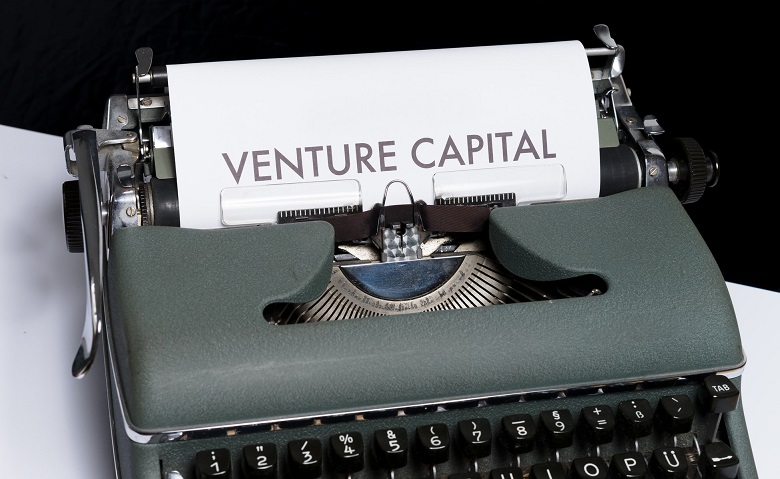
The coronavirus crisis has changed a lot of things for a lot of people. It’s also resulted in a significant amount of global economic uncertainty. Venture capitalists do not thrive on uncertainty, they thrive on calculated risks and transparent long-term outlooks.
But despite the tumultuous impact of COVID-19, can there still be a positive road ahead for VCs looking to expand their portfolios in a complicated climate?
At its beating heart, venture capitalism is all about investing in innovators and perhaps the only positive thing about a crisis is that its wake often necessitates innovation.
VCs must continue to innovate in kind if they hope to survive the ramifications of coronavirus. But what does the post-COVID immediate future of venture capital look like?
Keeping it close – With a heightened real and perceived risk internationally and difficulties to travel, many VCs will likely choose to invest closer to home in the coming months.
The strong win out – Virus or no virus, the best companies will always draw the most interest regardless of where they’re located.
So, whilst it might be more convenient to shop closer to home, so to speak, and there may be a funding pause for a while, video conferencing can fill in the gaps when it comes to facilitating parts of the due diligence process.
Healthcare in, entertainment and travel out – With healthcare very much on the minds of everyone right now, healthcare tech is going to start looking a lot more tempting for many VCs. On the other hand, businesses focused on areas, such as travel and entertainment (particularly live music), are going to take a backseat for a while.
Virtual working – Investments in technologies that facilitate virtual engagement are likely to become more attractive to investors as more of us are working from home and going digital.
The new normal – Businesses are going to need to adapt to the ‘new normal’ of social distancing whether they like it or not and that’s going to result in some major economic and behavioural changes.
VCs are going to have to be vigilant in examining the residual impact of this new status quo if they want to invest wisely and gain some decent returns.
Most tech-based businesses are 24/7 operations that are both global and borderless and as such, they are constantly being exposed to new potential risks and liabilities – often in unfamiliar places.
As the law struggles to keep pace with technology, specialist insurance can provide a legitimate safety net if you fall foul of changing legislation.
It’s important to know that all companies you invest in are properly insured – to ringfence the risk in your investments, La Playa can help with your due diligence, identifying the business risk, providing an Enterprise Risk Report and recommending a programme of bespoke insurance and risk management.
We can also help with your business insurance. While your commercial appetite for risk may be higher than average, you’ll want to know your internal business risk is nailed down most efficiently and effectively.
One thing we’ve learned in a post-COVID world is that nothing should be taken for granted and that legislation is constantly in flux.
In such a climate, don’t you want to eliminate the maximum possible risk – and to know your insurance is being taken care of by somebody that speaks your language?
That’s why specialist science and technology insurance is something that any VC with at least one finger in the tech pie should specify in contracts.
Who wants a jack-of-all-trades behind the wheel when the goalposts are constantly being moved from beneath our feet?
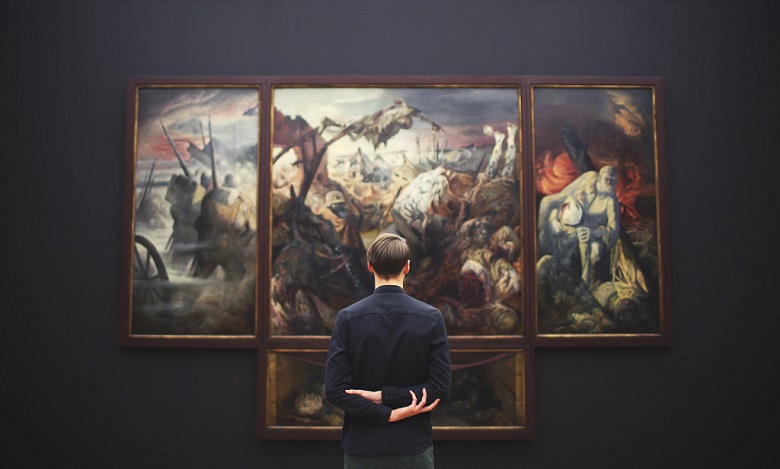
What role do collectors have to play in a post-pandemic world and how does insurance play into it?
In such uncertain times, it’s important to remain optimistic and also be pragmatic. This is true particularly in the art industry, which is notoriously volatile at the best of times.
The landscape is shifting daily and being a professional patron of the arts means being able to move parallel to that shift. So how has the world of art collecting been affected by COVID-19?
Of course, many collectors have more to worry about right now than acquiring new pieces and have pressed pause on their engagements until it’s clearer what kind of an overall economic impact the virus will have.
There are many more, however, for whom collecting is more than an occupation – it’s a way of life.
For these individuals, there is an obvious solution for getting creative with how they share and expand their collections – personally curated digital art auctions and exhibitions.
Along with the rest of the world, the art market has pivoted by necessity in recent months to a ‘virtual viewing’ model.
Of course, going digital is something that has been in the back of the minds of dealers, collectors and auction houses for years but that’s mainly been focused on marketing, not exhibiting.
Online viewing rooms, however, have become far more common thanks to the impact of COVID-19, with major art fairs such as Art Basel Hong Kong and Frieze in New York forced to cancel and instigate an online-only affair.
The real question here, however, is will collectors and buyers be willing to spend money on pieces they haven’t physically seen and how is that going to reflect on art insurance going forward?
The statistics would seem to suggest it’s looking good, with Sotheby’s reporting $2.5 billion in sales for 2020. As a whole, however, online sales only represent a fraction of the market ($5.9 billion out of $64.1 billion).
Coronavirus is not causing specific damage to art spaces – whether that be galleries or individual collections.
Interruptions are occurring in regular business as a result of the virus though, which means many collectors might be making business interruption loss claims.
It is also limiting the number of exhibitions being put on and that means collectors that would normally make their living from loaning their pieces to museums and galleries are left at something of an impasse.
There’s also the fact that many galleries and museums will have had to increase their insurance limits due to COVID-19 due to a number of factors.
For example, a museum might end up hosting exhibitions because pieces have effectively been stuck there and then there’s the cancellation cover to consider.
This means that any fine art collectors lending their pieces out need to ensure that a new certificate of insurance has been issued for the new terms and that museums can confirm they continue to have adequate limits for all artwork on loan to them.
Whilst the lockdown period has seen collectors show increased interest in virtual sales, buyers need to ensure they have an insurance policy which allows them to continue to acquire works during a keen period of purchasing.
The key to any insurance policy is flexibility and ensuring cover is available for art in transit where collectors decide to sell or restore a piece ready for sale.
Ultimately, fine art insurance coverage is an incredibly specific business that requires a delicate and experienced hand.
That’s why it’s absolutely necessary, particularly in these tumultuous times, that all art collectors have a specialist fine art insurance policy that works for them and takes into account all of the twists and turns that the coronavirus pandemic continues to throw our way.


 646 665 7737